Port-A-Cath Care
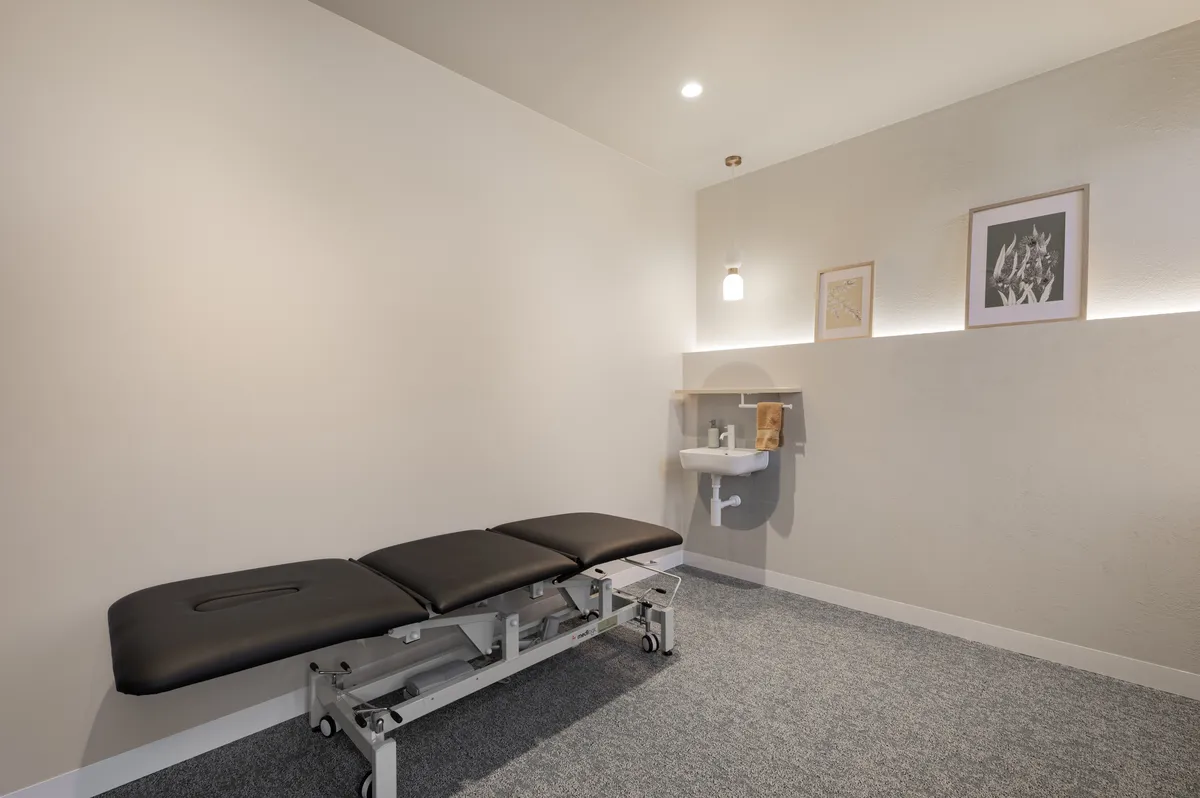
Hunter Blood Group provides professional Port-A-Cath flushing, blood collection, and maintenance for patients with implanted ports and long-term central venous access devices. Our certified and experienced nurses perform all port care procedures at our Newcastle West rooms, ensuring your device remains functional and free from complications such as blockage or infection.
What is port-a-cath care?
A Port-A-Cath (implanted port) is a small medical device placed under the skin, typically in the chest, that provides long-term venous access for treatments such as chemotherapy, intravenous medications, and blood transfusions. Regular flushing and maintenance are essential to keep the port functioning correctly and to prevent clotting or infection.
At Hunter Blood Group, our nurses can also collect blood samples directly from your port during routine flushes, saving you a separate pathology visit. This is particularly convenient for patients who require regular blood monitoring alongside their port maintenance.
Who is it for?
- Patients with an implanted Port-A-Cath requiring regular flushing
- Patients with other long-term central venous access devices
- Patients who need blood tests collected from their port
- Patients undergoing or recovering from chemotherapy or infusion therapy
- Patients requiring ongoing intravenous medication access
The port flush procedure
- 1 Referral — Your doctor sends a referral letter, or you can email a photo of your referral to hello@hunterblood.au.
- 2 Appointment — We book you in for a port flush appointment at our Newcastle West rooms. The procedure typically takes 15 to 20 minutes.
- 3 Connect and access — Our nurse accesses your port using a sterile Huber needle and confirms the line is functioning correctly.
- 4 Blood collection — If required, blood samples are drawn directly from the port for pathology testing.
- 5 Flush and lock — The port is flushed with saline, then locked with heparin saline to prevent clotting until your next appointment.
Our nursing team
All port-a-cath care at Hunter Blood Group is performed by certified, experienced nurses who specialise in central venous access device management. Our team is trained in aseptic technique, port access, and complication recognition to ensure safe and comfortable care.
How often is flushing needed?
Ports that are not in active use for treatment should be flushed every 4 to 6 weeks to prevent the line from clotting. Your treating specialist or GP will advise on the appropriate schedule based on your individual circumstances.
Fees for port-a-cath care
The fee below covers the haematologist consultation, review, consent, supervision, and nursing administration of your port-a-cath care procedure.
| Item | Amount |
|---|---|
| Procedure fee | $84.10 |
| Medicare rebate | -$53.35 |
| Out-of-pocket gap | $30.75 |
The Medicare Safety Net may apply if you have reached the threshold for the calendar year, reducing your out-of-pocket costs further. Contact Medicare or check your MyGov account for your Safety Net status.
How to get a referral
Doctor letter
Ask your GP or specialist to send a referral letter to our practice by fax (02 4092 7789) or via our online referral form.
Email a photo
Email a photo of your referral letter directly to hello@hunterblood.au and we will process it for you.
Age requirement
Hunter Blood Group provides services for adults aged 16 years and over only. Patients under 16 should be referred to a paediatric service.
Frequently asked questions
Do I need a referral for a port flush?
Yes. A referral from any doctor is required so that you can claim the Medicare rebate. Your GP, oncologist, or haematologist can provide the referral. You can also email a photo of your referral to hello@hunterblood.au.
How long does a port flush take?
A port flush appointment typically takes 15 to 20 minutes. If blood collection is required at the same time, it may take slightly longer while samples are drawn.
Can you collect blood tests from my port?
Yes. Our nurses can draw blood directly from your port during a flush appointment, which avoids the need for a separate needle stick at a pathology collection centre. Please bring your pathology request form to your appointment.
How often should my port be flushed?
Ports not in active use should be flushed every 4 to 6 weeks to prevent clotting. If you are receiving regular treatments through your port, flushing is typically done at each treatment session. Your treating specialist will advise on the right schedule for you.
Need a port-a-cath flush?
Submit a referral or call 02 4092 7788.